Strait of Hormuz Attack: What It Means for Indian Seafarers and Shipping Jobs
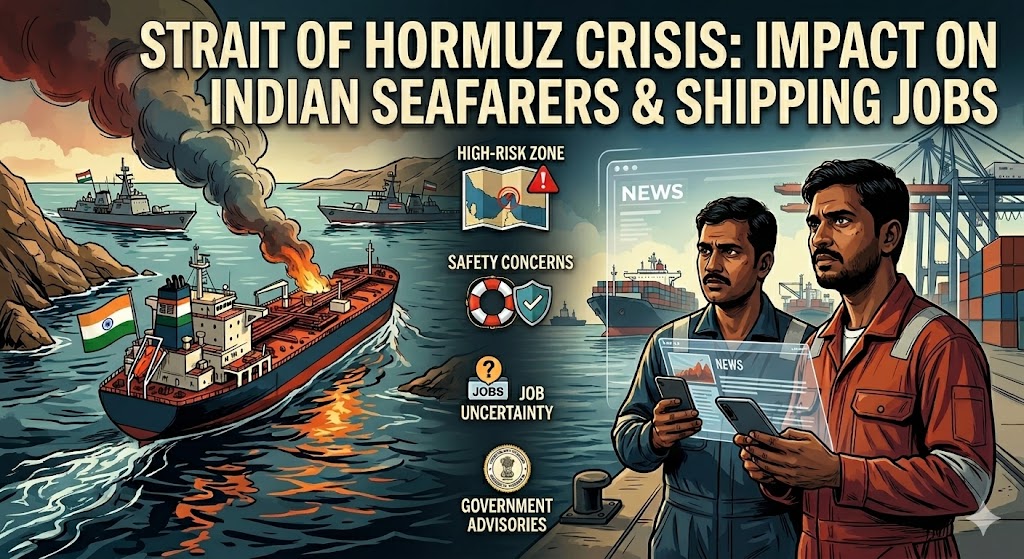
Tensions in the Gulf aren’t “just international news” anymore. They’re impacting merchant ships in real time—crew safety, vessel operations, and even joining decisions. In early March 2026, an incident involving an oil tanker near the Strait of Hormuz again proved how quickly a routine passage can become an emergency.
This blog explains what happened, why the Strait of Hormuz is so important to global shipping, what changes when risk levels spike (insurance, routing, contracts), and what Indian seafarers should do before signing on—especially if you’re joining tankers, gas carriers, or Gulf trades.
Why the Strait of Hormuz matters (and why seafarers should care)?
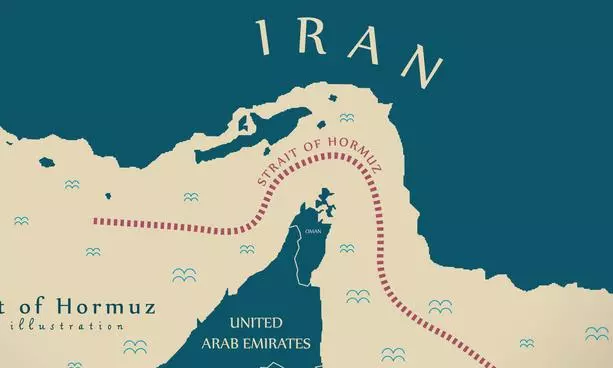
The Strait of Hormuz is one of the most sensitive maritime chokepoints on the planet. A huge volume of crude oil and LNG passes through this narrow corridor between Iran and Oman. When there’s even one attack or major security incident, the ripple effect hits the whole industry: ships divert, port calls get delayed, insurers adjust cover overnight, and pressure onboard increases.
Reuters has reported that the strait carries roughly one-fifth of global oil flows, and that current tensions have disrupted shipping movement.
For seafarers, these disruptions don’t stay on paper. They show up as:
-
Increased risk of attack (drones, missiles, projectiles)
-
Insurance uncertainty (war-risk and related covers can change fast)
-
Sudden route changes and longer voyages
-
Higher operational stress, with drills and emergency readiness becoming very real
What happened: The Skylight incident near Khasab (case study #1)?
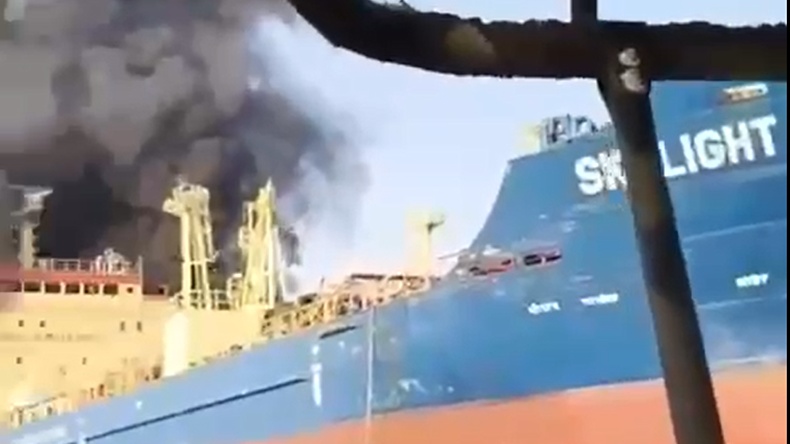
Oman’s Maritime Security Centre confirmed that the Palau-flagged oil tanker Skylight was targeted about 5 nautical miles north of Khasab Port, in the Musandam region. Reports stated the vessel had 20 crew members: 15 Indian nationals and 5 Iranian nationals. Four crew were injured, and all 20 were evacuated.
Another detail that matters for the industry: the vessel was linked to a sanctions narrative. The Economic Times reported that the U.S. Treasury sanctioned Red Sea Ship Management and Skylight in December 2025, alleging involvement in transporting Iranian petroleum products.
Why this case matters for jobs and joining decisions
If a ship is connected to sanctions issues or high-risk trade patterns, you can expect:
-
More scrutiny at ports
-
Tighter security procedures
-
Reputational risk for operators and managers
-
Potential instability in crew rotations and, sometimes, pay/bonus structures.
Another incident nearby: MKD VYOM fatal attack (case study #2)
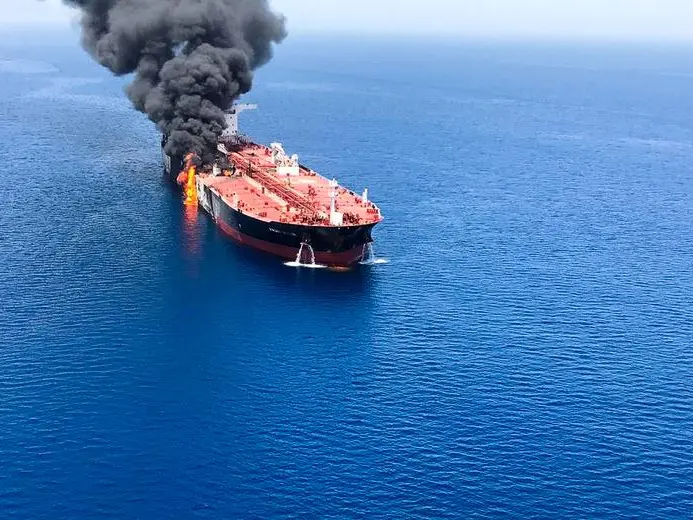
Around the same period, another tanker incident raised the risk level further. Reuters reported that a projectile hit the Marshall Islands–flagged product tanker MKD VYOM off Oman, killing a crew member (the ship manager cited was V.Ships).
Some coverage has also pointed to evolving threats in the region, including drone boats and changing attack methods—making incidents harder to predict and harder to prepare for in traditional ways.
The hard truth
If you’re trading Gulf/Hormuz right now, it’s not simply a demanding route. It’s a war-risk environment, and incidents can unfold with little warning.
What changes when conflict escalates: insurance, routing, and operational pressure?
This is where many seafarers get caught off guard—because decisions are often made quickly by owners, charterers, and insurers, while crew only hears updates later.
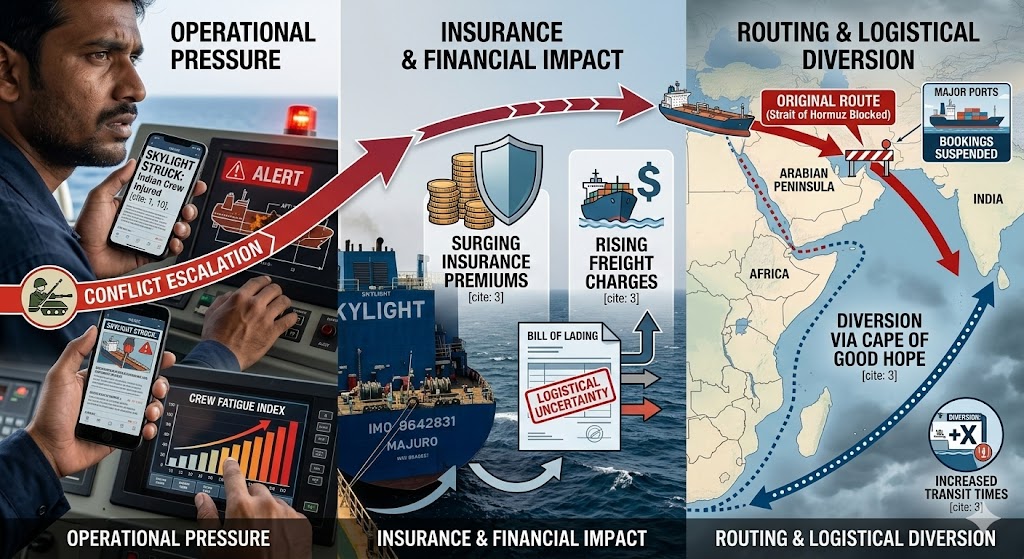
Reuters reported “de facto” disruption, with ships stranded or damaged, and noted that major insurers were canceling war-risk coverage for parts of the Gulf effective March 5, while war-risk premiums surged. Other reporting also noted P&I/war-risk cover being pulled back as tensions rose.
What that means onboard
Expect a shift in day-to-day realities, such as:
-
Diversions away from Hormuz when possible
-
Faster port calls, reduced shore leave, tighter movement controls
-
Higher security posture (watchkeeping, citadel readiness, drills)
-
Increased schedule pressure (cargo still needs to move—even when risk rises)
Practical safety checklist for Indian seafarers joining Gulf routes
This is the part where you move from “reading updates” to joining smart.
Before you sign (ask these questions)
-
What is the exact trading area? (Gulf, Gulf of Oman, Hormuz transit frequency)
-
Is there active war-risk insurance and K&R (kidnap & ransom) cover?
-
What is the company’s security plan for conflict zones?
-
Are there war-risk bonus clauses, and exactly when do they apply?
-
Who is the ship manager, and what is the vessel’s history (sanctions, detentions, PSC issues)?
Before you board (actions you should take)
-
Save emergency contacts: DPA, crewing team, ship manager office, agent, Indian mission/embassy contacts
-
Keep digital backups: passport, CDC, COC, visas, medical documents (secure cloud + offline copy)
-
Know the ship basics before sailing: SSAS procedure, citadel location, muster signals, emergency comms
-
Watch for red flags: vague route answers, rushed joining, unclear insurance responses
Onboard habits that actually reduce risk
-
Treat drills seriously—especially citadel procedures and muster discipline
-
Keep PPE and a simple grab-bag ready (torch, power bank, basic meds)
-
Don’t fuel rumors—follow the Master’s security briefings and official notices
-
Report suspicious activity early; waiting for “confirmation” costs time
What this means for merchant navy careers and job hunting?
High-risk areas don’t stop recruitment—they reshape it. You may notice:
-
Stronger demand for tanker / gas carrier experience
-
Faster crew changes for vessels diverting or adjusting schedules
-
More focus on safety culture and incident readiness
-
Greater importance of crystal-clear contract terms before signing
How to protect your career without panicking
-
Freshers: don’t join blindly—ask direct questions and verify route details
-
Experienced crew: negotiate properly (bonus triggers, insurance clarity, joining terms)
-
Between contracts: track which segments are active (tankers/LNG/PSV) and which routes are slowing or pausing
How Merchant Navy Decoded Jobs can help right now?
In times like this, seafarers need verified updates and practical guidance—not WhatsApp speculation.
On Merchant Navy Decoded Jobs, focus on:
-
Verified job leads (avoid unverified agents)
-
Joining checklists for high-risk routes
-
Practical guidance on contracts, documentation, and readiness
For openings and updates, visit: merchantnavydecodedjobs.com
Conclusion: Don’t treat this like “someone else’s problem”
The Strait of Hormuz incidents—Skylight (injuries and evacuation) and MKD VYOM (fatality)—are a clear warning for anyone sailing Gulf routes.
Conflict changes operations quickly: insurance terms shift, routes change, and risks can spike overnight. The best defense isn’t fear—it’s professionalism:
-
Ask sharper questions before joining
-
Verify the trading area and war-risk cover
-
Stay operationally ready once onboard
